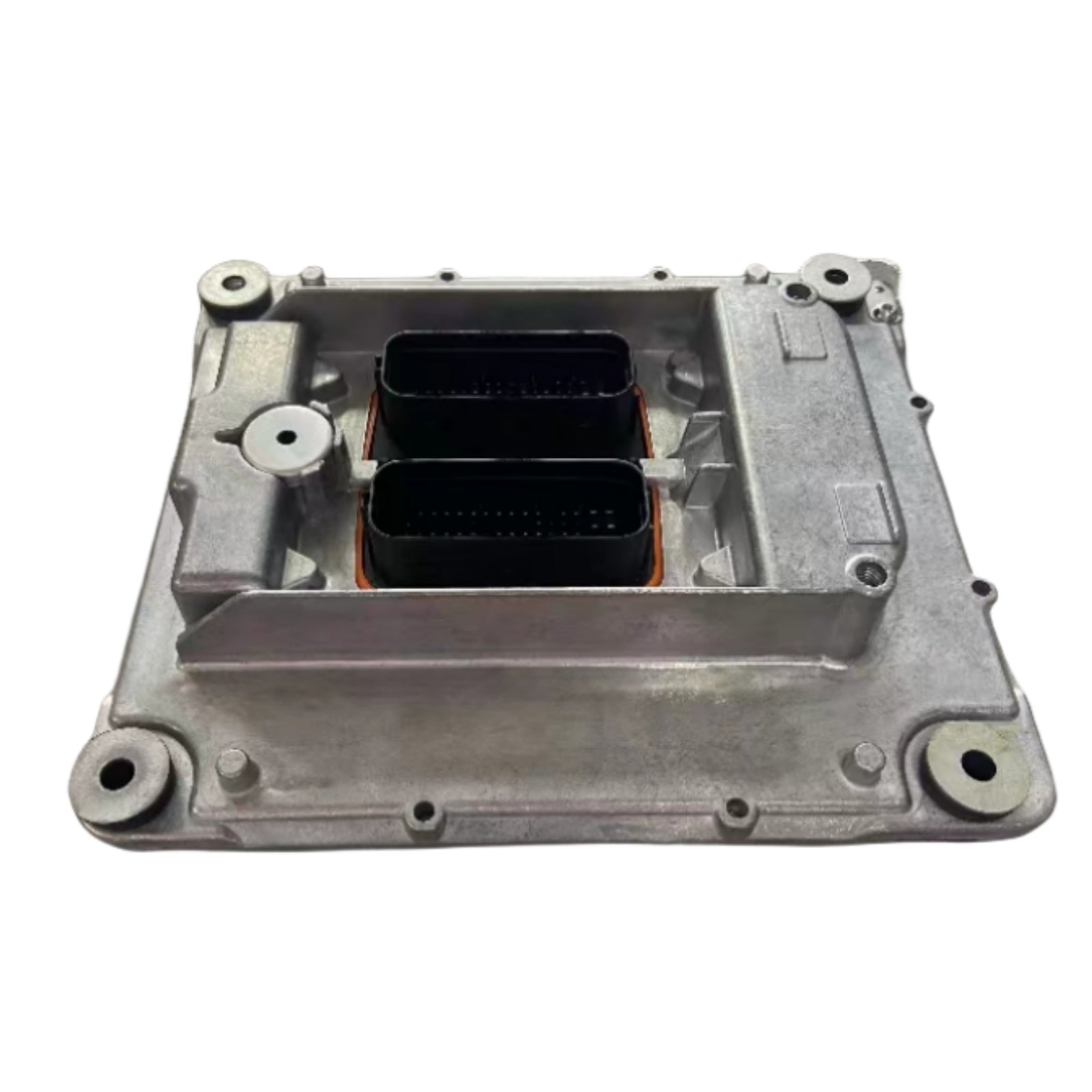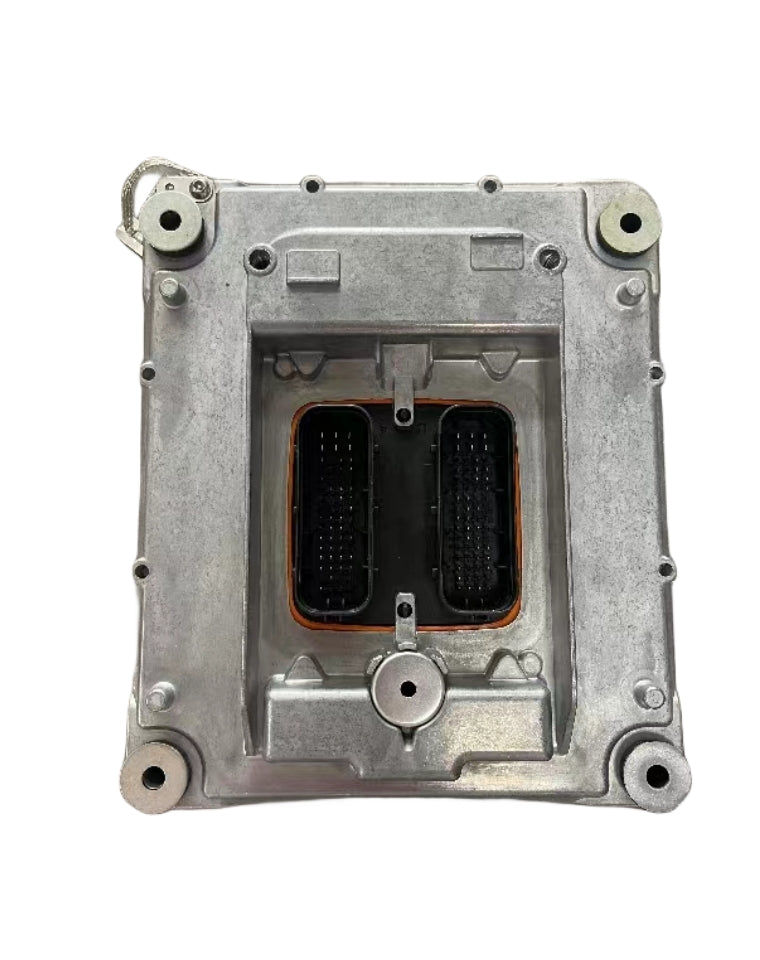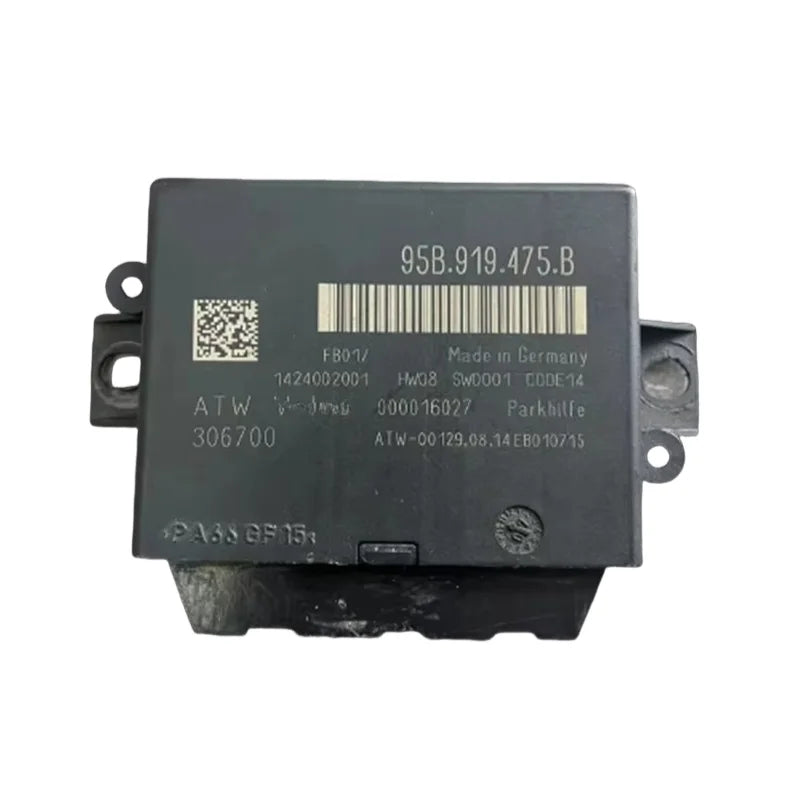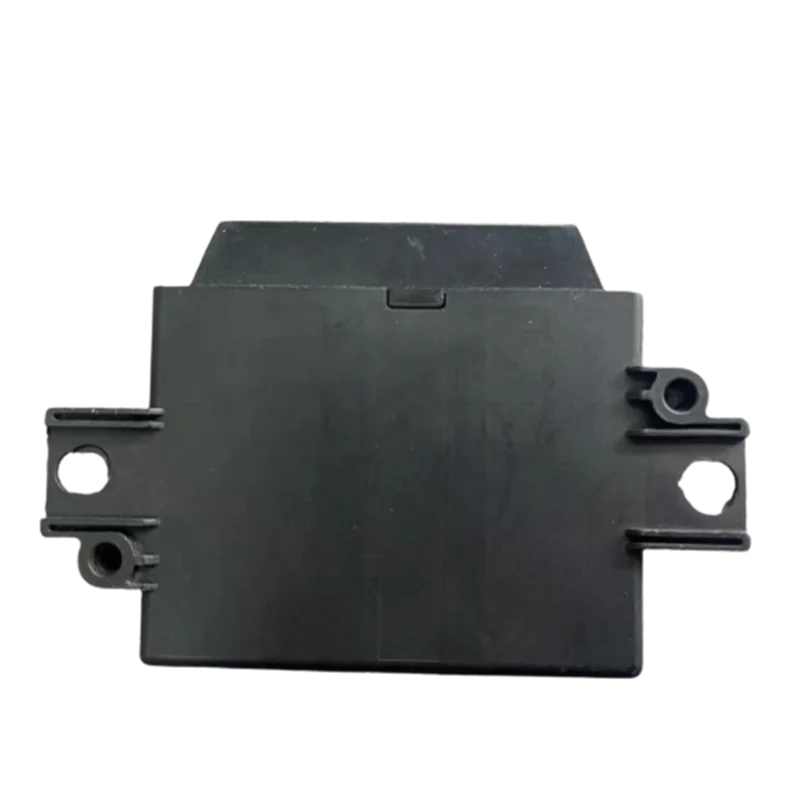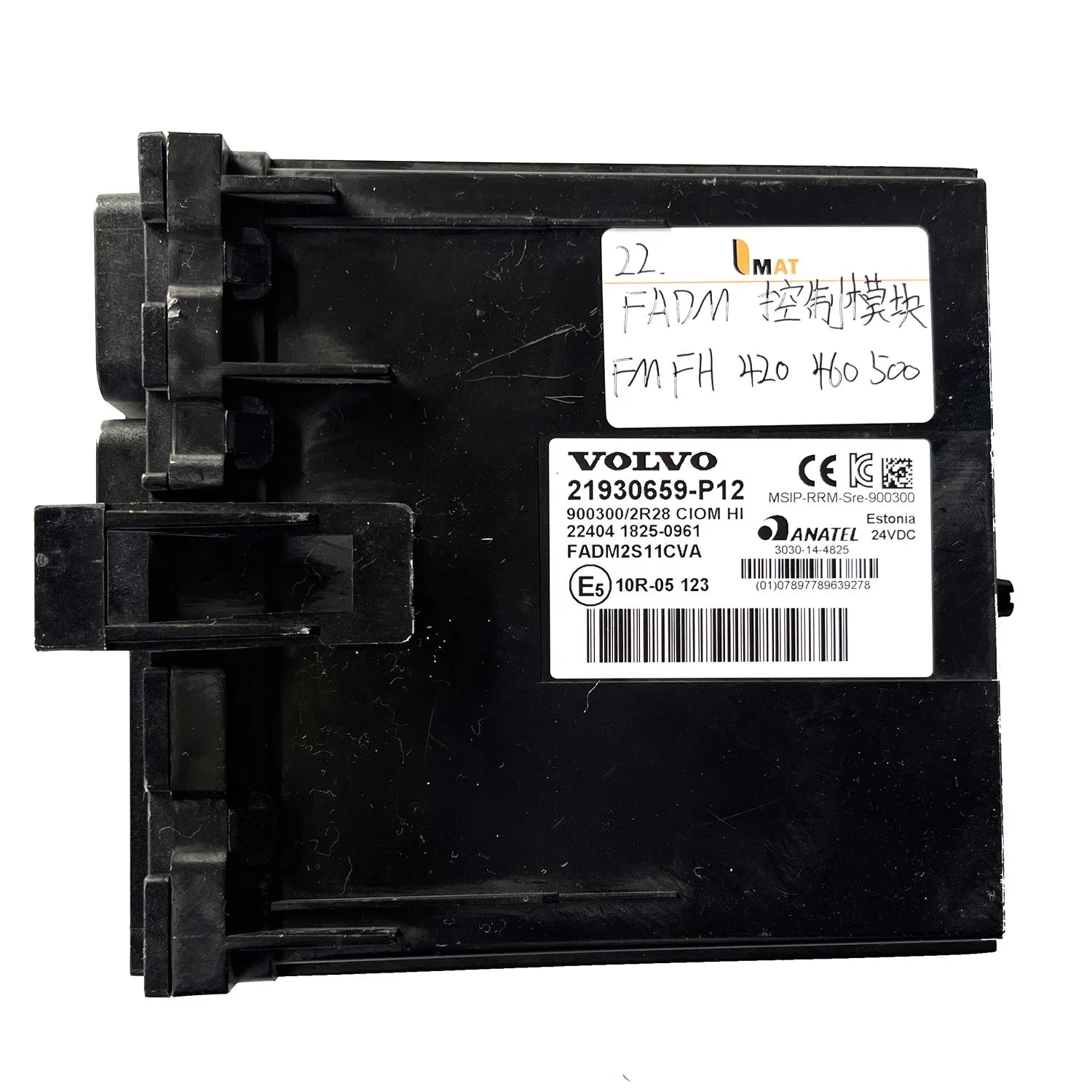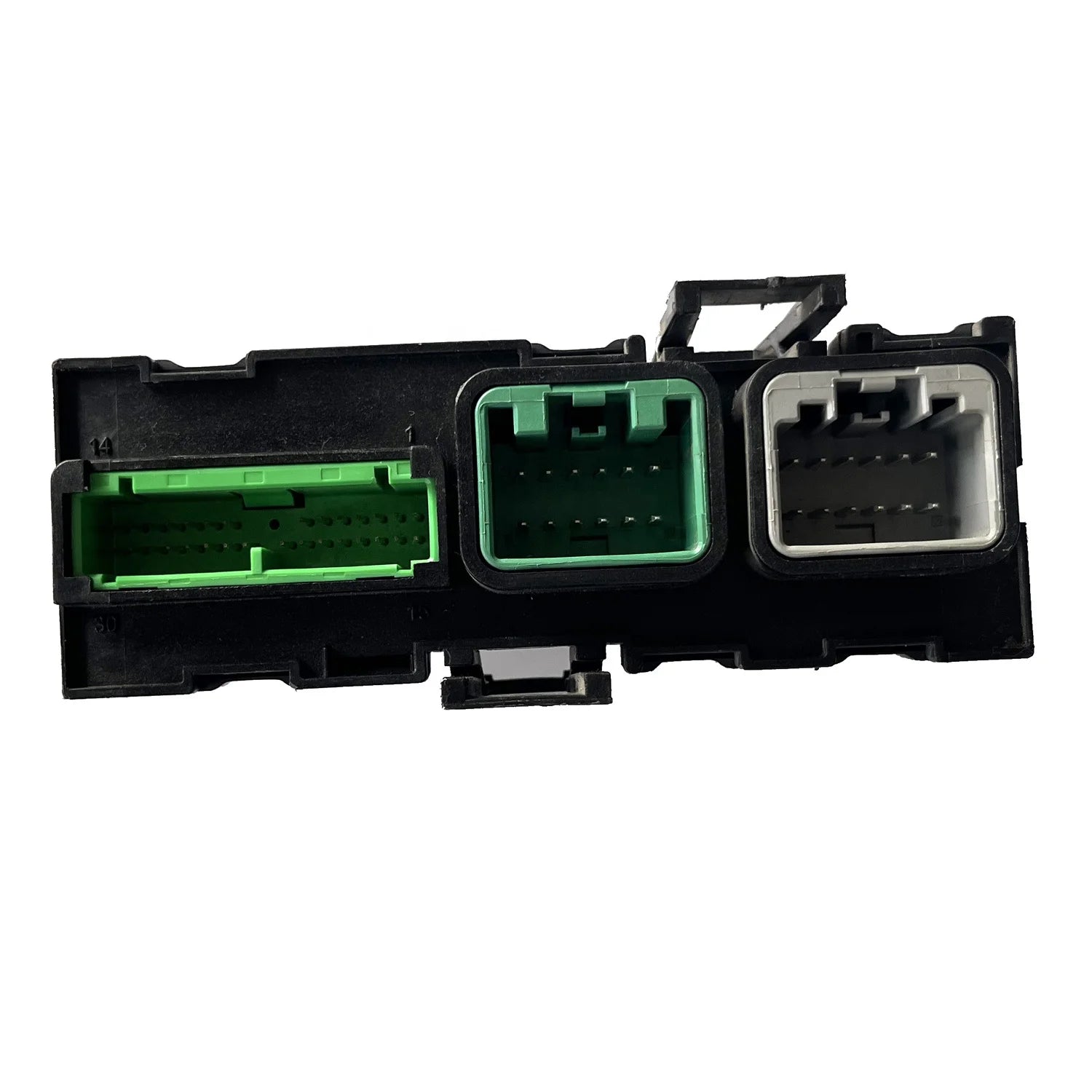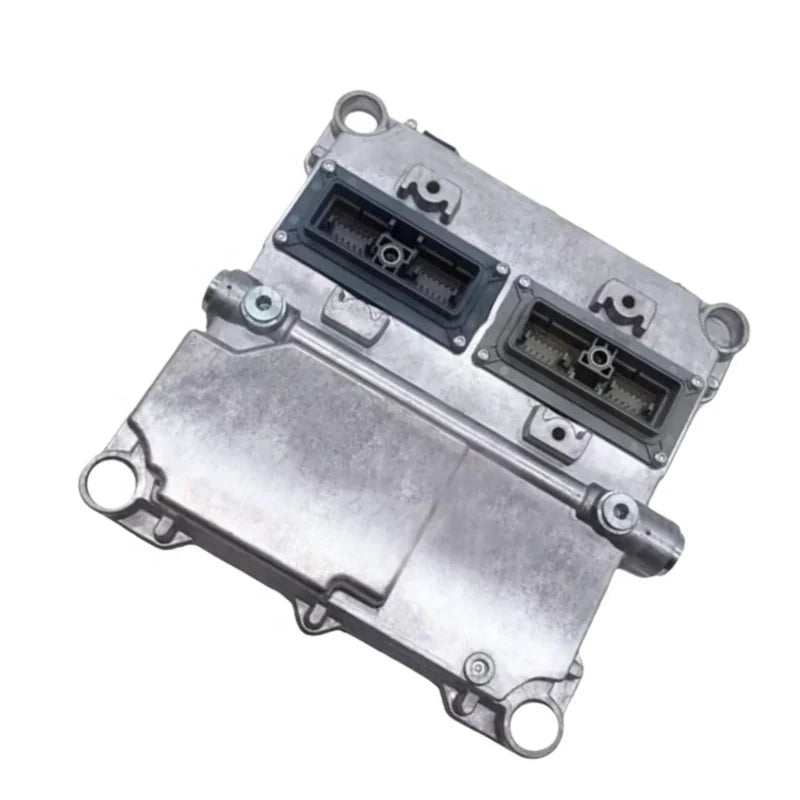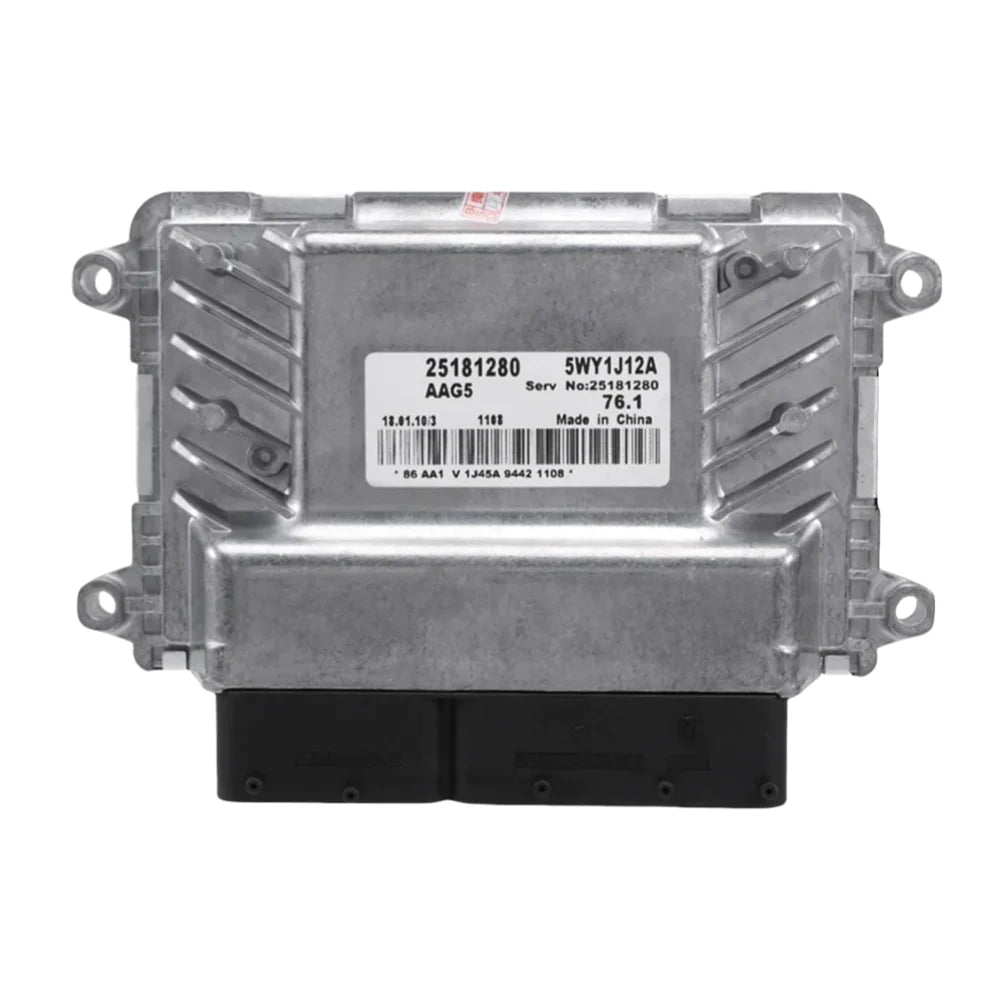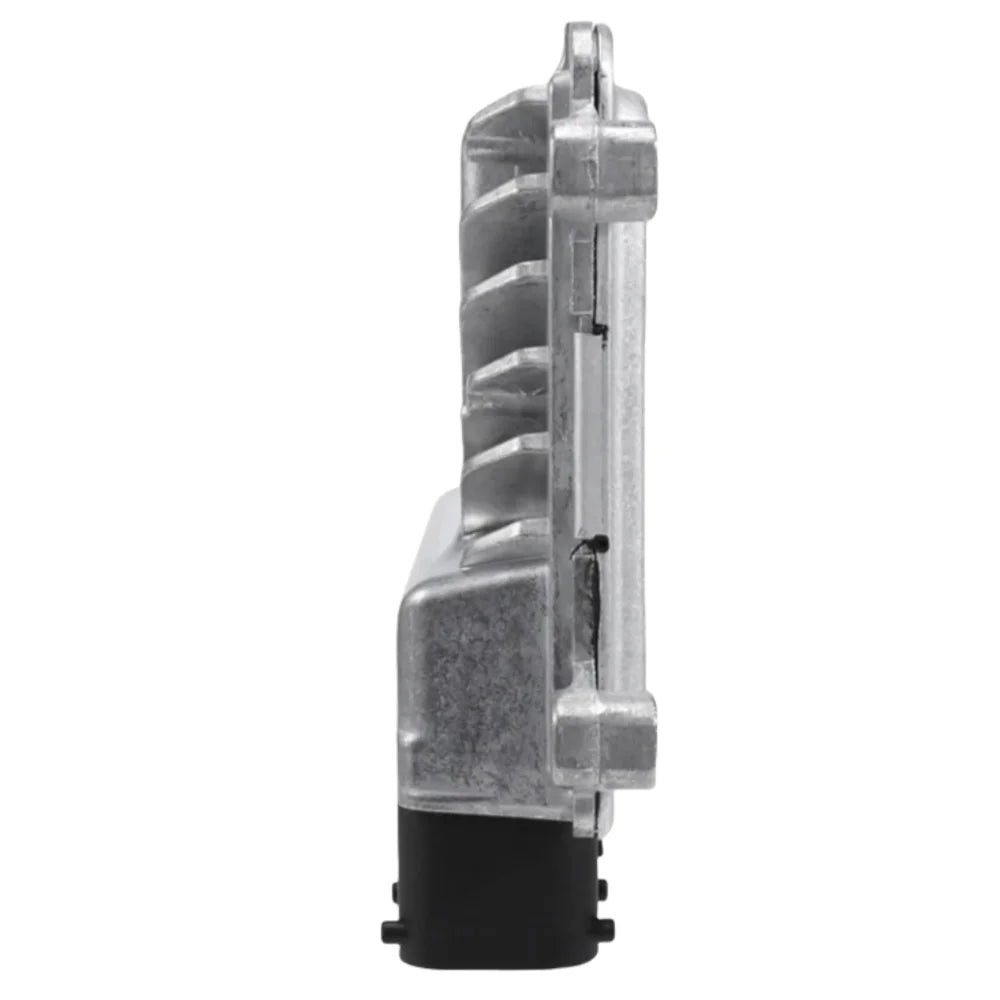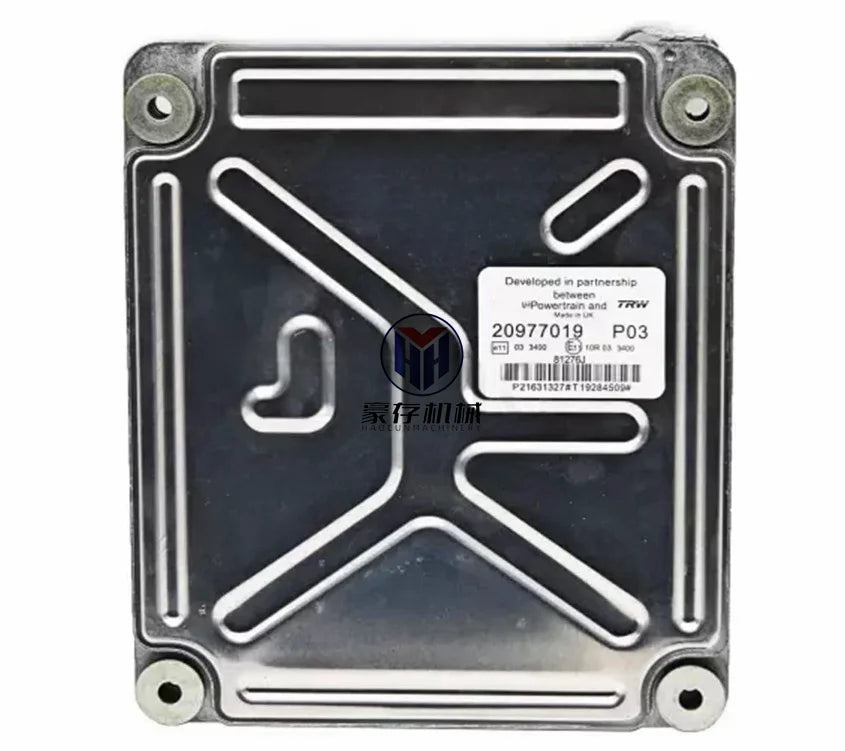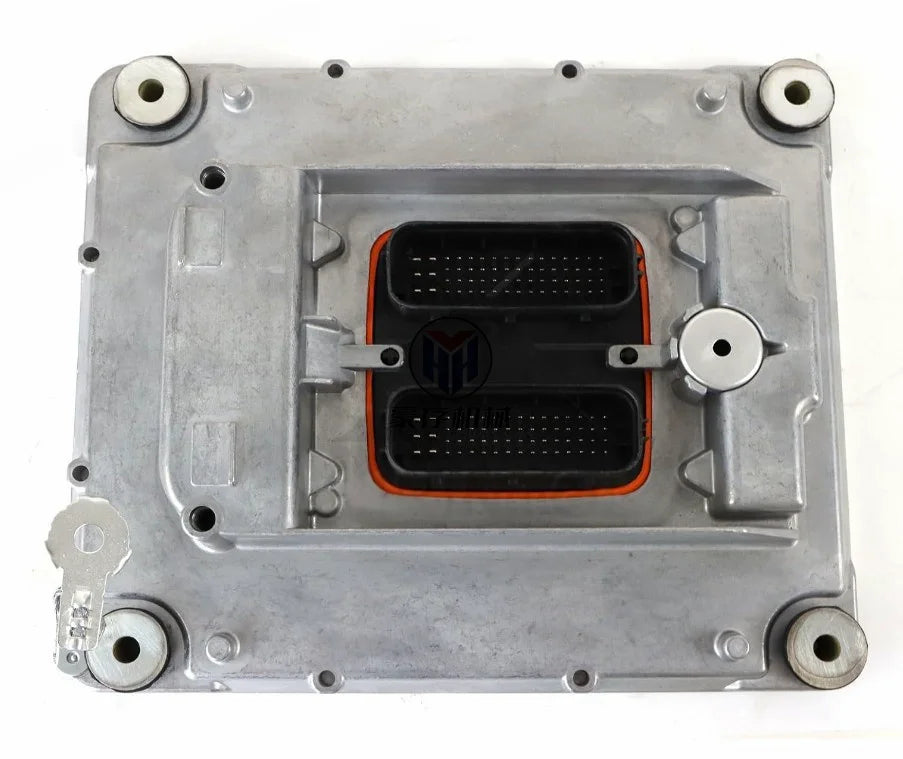
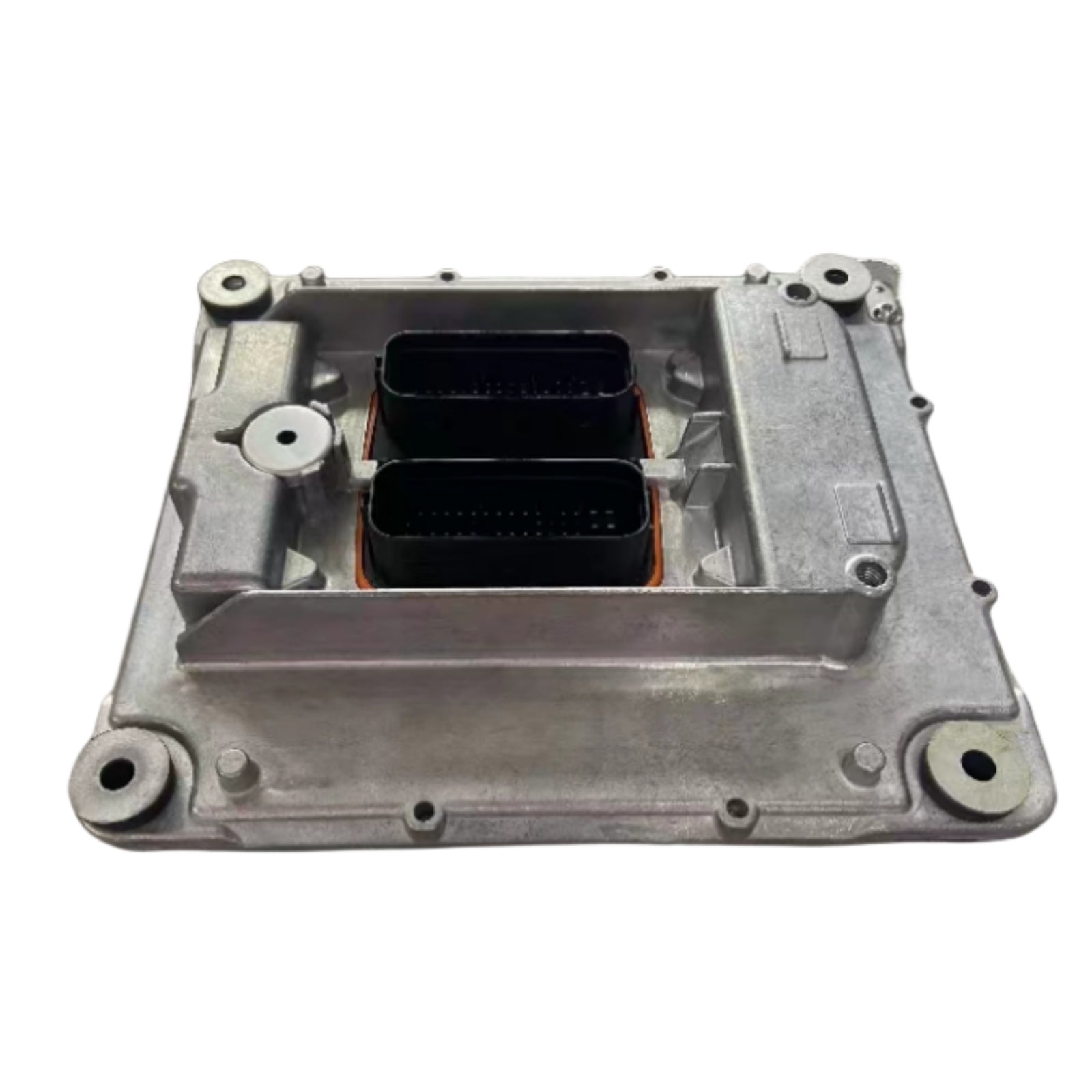
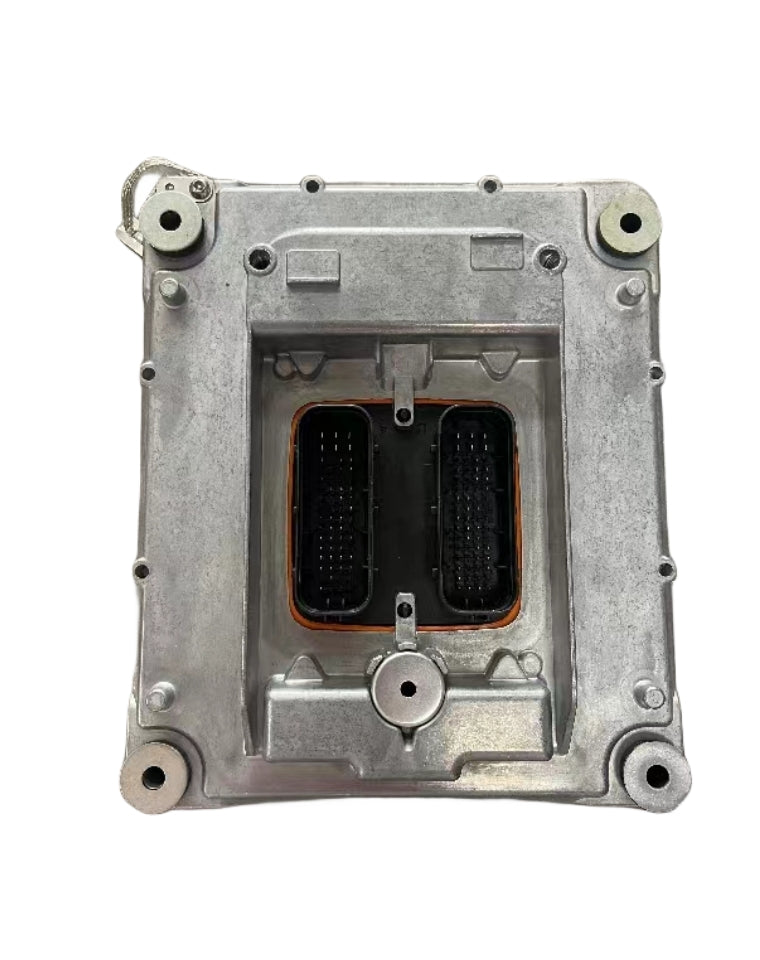
BCM Module & Body Control Module Replacements
Beyond the engine, most of a modern vehicle's electronics answer to a network of control modules, and a faulty BCM module can affect anything from central locking to interior lighting without any obvious single cause. CBT Auto Parts stocks BCM automotive and transmission control module options across a wide range of makes and models.
Every body control module we list is matched to your vehicle's exact variant, since even small trim differences can change module configuration entirely. We stock car BCM units alongside TCM replacements for gear shift and transmission behaviour faults, with most orders shipping fast from our Australian warehouse and support available to confirm the correct module for your vehicle before you order.
55 products
Showing 49 - 55 of 55 products
What a BCM Actually Controls
Body control module in automotive design generally refers to the module governing convenience and comfort electronics rather than engine performance. This typically includes central locking, interior and exterior lighting, power windows, wipers, and various dashboard warning systems. Because so many separate functions route through this one module, a fault here often presents as several seemingly unrelated electrical issues occurring at once, which makes diagnosis more involved than a single component failure.
Signs of a Failing BCM
- Multiple unrelated electrical functions failing or behaving erratically together
- Central locking is working intermittently or not responding to the remote
- Interior lights staying on, or failing to illuminate, without a clear cause
- Dashboard warning lights that don't correspond to any actual fault
- Power windows or wipers becoming unresponsive alongside other symptoms
Transmission Control Module Faults
A TCM in a car manages shift timing, torque converter lockup, and gear selection logic, working alongside the engine's computer but focused specifically on transmission behaviour. A failing TCM on a car typically shows up as harsh, delayed, or erratic gear changes, sometimes accompanied by the transmission defaulting to a limited limp mode gear to protect itself from further damage. This is distinct from a mechanical transmission fault, and confirming which one you're dealing with before ordering parts saves a high cost.
Diagnosing Before You Replace
- Scan for module-specific fault codes rather than assuming which control module is at fault based on symptoms alone
- Check for corrosion or damage at the module's connector, a common cause of intermittent faults that mimic module failure
- Confirm whether the issue affects body functions, transmission behaviour, or both, since this narrows down the BCM module versus the TCM as the likely cause
- Rule out a simple blown fuse before assuming a full BCM control module replacement is needed
- Where multiple modules show faults simultaneously, check for a shared wiring or ground issue before replacing several modules unnecessarily
Model-Specific TCM Applications
Certain platforms see more frequent transmission control module requests due to known reliability patterns in specific model years.
- TCM for Mazda 3 units covering a platform with documented transmission control module-related complaints
- Standard passenger vehicle TCM replacements across a broad range of common makes
- Commercial and light truck transmission control module options for vehicles with heavier-duty transmission demands
Coding and Programming After Replacement
Most replacement BCM and TCM units require coding to the vehicle after installation, whether that's matching to the immobiliser system, configuring options, or syncing with other modules on the network. Skipping this step is a common reason a freshly installed module doesn't resolve the original fault, so confirming your vehicle's specific coding requirement before ordering avoids an unnecessary return trip.
Fitment and Coding Support
Send us your VIN, along with the specific symptoms and any fault codes you've retrieved, and our team can help confirm whether a BCM module, TCM, or another control module entirely is the likely source, along with the coding requirements for your specific vehicle.