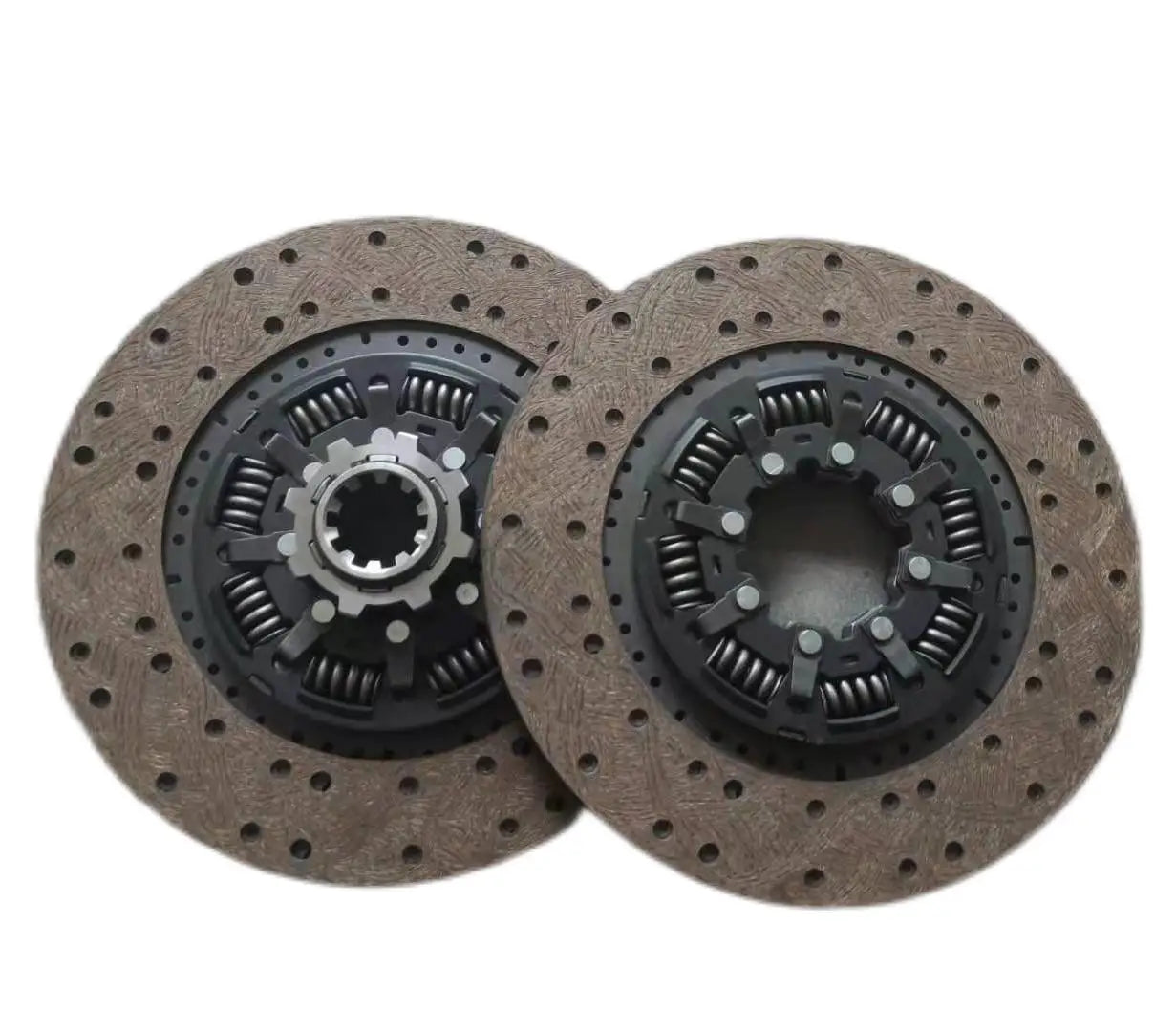
Clutch Assembly: Clutch Kits, Clutch Plates & Disc Replacements for Manual and Dual Clutch Vehicles
The clutch kit is one of the hardest-working assemblies in any manual or dual clutch transmission vehicle, connecting and disconnecting engine power through every gear change, every single day. When the clutch plate or clutch disc wears beyond its service threshold, the symptoms are immediate: slipping under load, difficulty selecting gears, and a burning smell that signals accelerating damage.
CBT Auto Parts supplies clutch kits, clutch plates, and full clutch assembly replacements as part of our Transmission and Drivetrain Parts range. Our stock covers standard passenger vehicles, performance applications, Audi dual clutch transmission platforms, Ford Focus dual clutch setups, and a broad range of commercial vehicles, all at OEM-grade quality. Parts are dispatched from confirmed stock and ship to destinations worldwide, arriving ready to fit.

261 products
Showing 145 - 168 of 261 products
What Makes Up a Clutch Assembly?
Most drivers know when their car clutch is failing, but fewer understand exactly which components are involved. A complete clutch assembly is not a single part. It is a system of precision-matched components that must work together to transfer drive smoothly and disengage cleanly. Replacing only one item within a worn clutch system almost always leads to premature return failure, because the remaining components are already at reduced service life.
A standard single-disc clutch assembly consists of three core components:
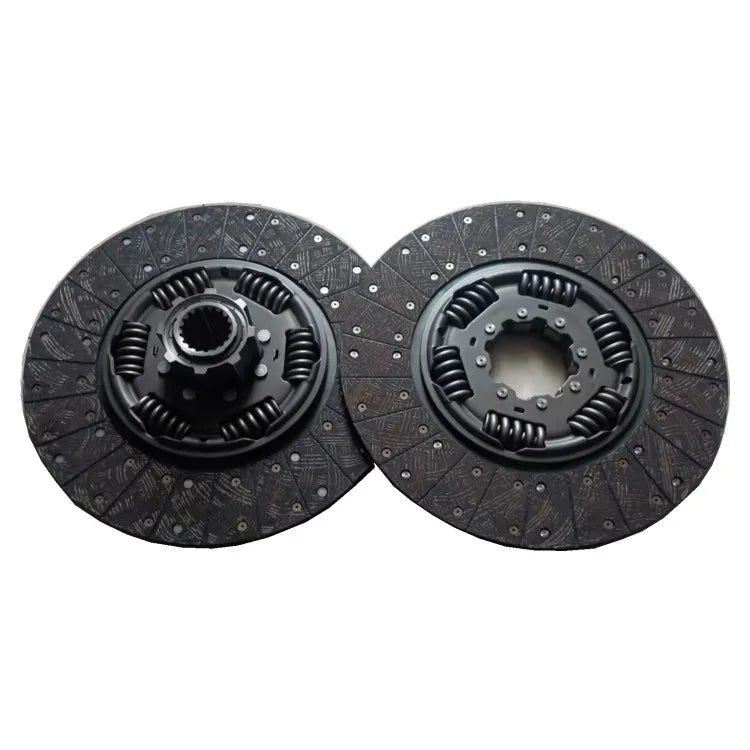
- Clutch Disc: also called the clutch plate, this is the friction component that transfers torque between the flywheel and the pressure plate. It carries a friction material lining that wears progressively over time and must be replaced before it wears through to the metal hub.
- Pressure Plate: the clamping unit bolted to the flywheel that holds the clutch disc in firm contact during engagement. A worn pressure plate loses clamping force, causing clutch slip under load.
- Release Bearing: the component that physically contacts the pressure plate fingers during pedal depression to disengage the clutch. A failing release bearing produces a distinctive squealing or grinding noise when the clutch pedal is pressed.
- A complete clutch kit bundles all three components as a matched set,t which is the recommended approach for any clutch assembly replacement where the vehicle has covered significant mileage.
Recognising Clutch Failure Before It Becomes a Gearbox Problem
The difference between catching clutch wear early and leaving it too late can be the difference between a straightforward clutch replacement and a full gearbox repair. Once clutch material burns through to the metal hub, flywheel scoring, pressure plate damage, and gearbox input shaft wear all become secondary consequences.
These are the failure signs that should prompt immediate inspection:
- Clutch slip: engine revs rise disproportionately to vehicle speed, especially noticeable under load in higher gears
- Difficult or grinding gear engagement: the clutch disc is not fully releasing, which points to hydraulic issues in the clutch master cylinder or clutch slave cylinder, or mechanical wear within the clutch assembly itself
- Clutch pedal that sits low or spongy: this is typically a hydraulic fault, but it places additional mechanical stress on the clutch disc and pressure plate during every engagement
- Burning smell during uphill driving or towing: the clutch plate friction material is overheating from sustained slip
- Vibration or judder on take-off: often caused by oil contamination on the clutch disc surface, or a pressure plate that has lost uniform clamping pressure
If two or more of these symptoms are present together, a full clutch kit replacement rather than a single component swap is the appropriate course of action.
Dual Clutch Transmission: A Different Kind of Clutch Assembly
Not all modern vehicles use a conventional single-disc manual clutch. Cars with dual clutch transmission use a fundamentally different design, and understanding this distinction is important before ordering replacement parts.
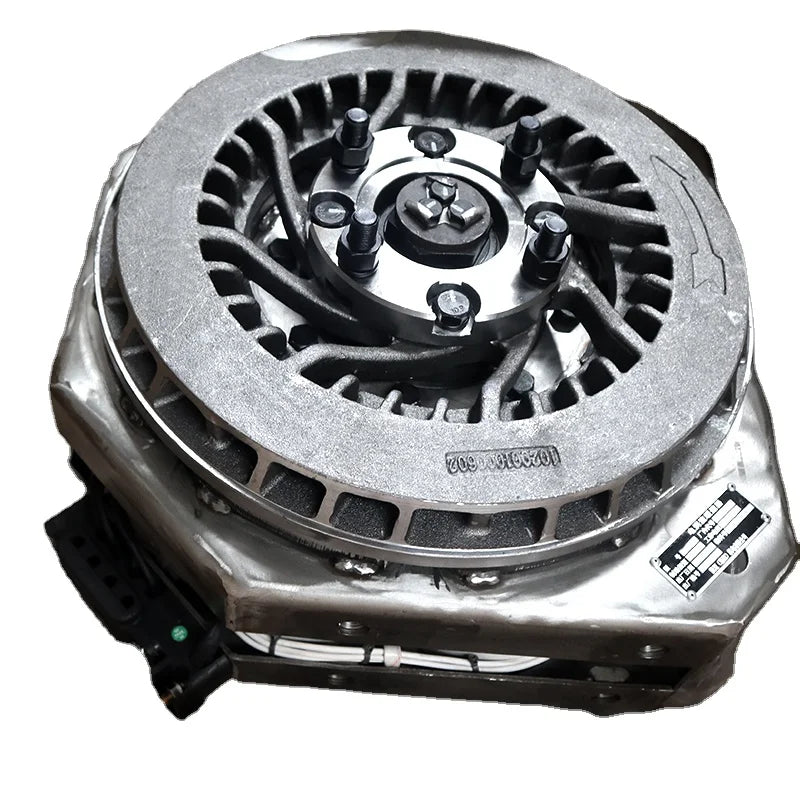
A dual clutch transmission replaces the single clutch plate and pressure plate with two separate clutch packs, typically one handling odd-numbered gears and the other handling even-numbered gears and reverse. This architecture allows one clutch to pre-select the next gear while the other remains engaged, producing the rapid, seamless gear changes that define the dual clutch driving experience.
The Audi dual clutch transmission, used across the RS and S model lineup, and the Ford Focus dual clutch — which appeared in the PowerShift DCT unit are two of the most widely replaced applications we encounter. Dual clutch replacement is more involved than conventional clutch assembly replacement. The clutch packs are typically internal to the gearbox housing, and in most applications, removal of the automatic gearbox itself is required to access the clutch components. Automatic gearbox clutch plates within a DCT are also exposed to transmission fluid, which affects the friction specification required; wet-clutch clutch discs used in DCT applications are not interchangeable with dry-clutch units from conventional manual transmission vehicles.
For any dual clutch or automatic gearbox clutch replacement, confirm the specific transmission code from your vehicle before ordering.
What CBT Auto Parts Stocks in the Clutch Assembly Range
Our clutch assembly inventory covers the most actively replaced platforms, spanning single-disc manual clutch kits through to dual clutch components for automated transmission applications:
- Single-disc clutch kits: covering standard manual transmission passenger vehicles across European, Japanese, and American platforms in matched three-piece sets
- Performance clutch kits: uprated clutch disc and pressure plate combinations for vehicles used in towing, modified performance, or motorsport-adjacent applications where standard friction ratings are insufficient
- Dual clutch assembly components: clutch pack replacements for Audi dual clutch transmission and Ford Focus dual clutch applications, confirmed to the correct friction specification for wet or dry clutch operation
- Automatic gearbox. Clutch plates: internal clutch disc sets for conventional automatic transmissions where clutch pack renewal is required as part of a gearbox rebuild or overhaul
- Individual clutch components: clutch disc, pressure plate, and release bearing supplied separately for targeted replacement where the remaining clutch assembly components remain within specification
Where hydraulic engagement issues are contributing to clutch wear, replacement clutch master cylinders and clutch slave cylinders are available separately in our Transmission and Drivetrain Parts range, addressing the full system rather than the friction components alone.
OEM or Aftermarket Clutch Kit: What Actually Matters
The clutch kit debate between OEM and aftermarket comes down to friction specification, clamping load, and build quality, not brand alone. An OEM clutch kit guarantees exact manufacturer specification for that vehicle application. A quality aftermarket clutch kit, engineered to the same friction coefficient and clamping force ratings, performs identically in standard road use.
Where aftermarket clutch kits fall short is when the specification is not matched correctly to the application, particularly in dual clutch or high-torque environments. CBT Auto Parts sources clutch plates, clutch discs, and pressure plates from manufacturers who document their friction ratings and confirm fitment by application. Every clutch kit listed against a specific vehicle has been verified to the torque capacity and pedal load requirements of that platform.
For standard daily driving on a well-maintained manual vehicle, a quality aftermarket clutch assembly replacement is an entirely appropriate choice. For performance vehicles, towing applications, or dual clutch systems, confirm the specification before committing to a unit.